St Paul wrote to the Galatians about the nine principle traits of a person or community living in accord with the Holy Spirit: “the fruit of the Spirit is love, joy, peace, patience, kindness, goodness, faithfulness, gentleness, and self-control.” (5:22-23) These attributes, coming from the Holy Spirit, reveal what God is like. Those who exhibit these characteristics will inherit the kingdom of God.
During the sacrament of Confirmation, we receive the seven gifts of the Holy Spirit: wisdom, understanding, counsel, fortitude, knowledge, fear of the Lord, and piety. These gifts are to be used, that they may bear fruit and usher in Christ’s reign on earth. By cooperating with the grace of the Holy Spirit, we grow in holiness and these fruits are strengthened in us.
Love: In Greek, agape or in Latin, caritas, this is the highest form of love, completely selfless in seeking the good of others and willing to sacrifice for them. It is expressed in service, giving freely and unconditionally, with neither consideration of whether the recipient is worthy, nor expectation of repayment.
As teachers, it can be tempting to treat students harshly if they annoy us in some way, but as educators of the youth, who are still maturing and being formed, we are called to demonstrate the love of Christ to our pupils, always acting for their greatest good, even if they do not seem grateful for our assistance and dedication. By treating students with love, teachers can create flow-on effects throughout their lives, as the students in turn will learn to put others first and treat them well.
Joy: Deeper than fleeting happiness, joy is a profound contentment that comes from being close to God, as well as proclaiming the truth and living an upright life.
Teaching, like every vocation, comes with challenges and stress, but we can maintain an abiding joy in the knowledge that these difficulties are transient, while our relationship with God is eternal.
 Peace: This is an abiding tranquillity rooted in God. It is the harmony that comes about when justice reigns. Fr Michael Van Sloun writes: “It happens when resources are shared equitably, power is used for service, interdependence is fostered, information is shared openly and honestly, the dignity of each person is respected, legitimate differences are tolerated, the disadvantaged receive help, hurts are forgiven and the common good is upheld.”
Teachers set the tone of the classroom. Some are fierce and hold unruly students in check through fear. Others are timid and undisciplined students may run riot. But teachers who maintain a peaceful temperament can diffuse this peace throughout the classroom, creating a nurturing environment for their pupils.
Patience: Sometimes translated as “longsuffering” or “endurance”, patience is the virtue that allows you to experience disruptions or setbacks without losing your composure. Fr Van Sloun explains: “It is also the willingness to slow down for another’s benefit, to set aside one’s personal plans and concerns, to go at another’s pace, and to take whatever time is necessary to address their need.”
It can be frustrating for teachers when students are slow to grasp a concept, or misbehave in class. It may be helpful to recall that children’s brains are still in the process of developing, thus they lack the self-control of adults. Taking a deep breath and exercising patience with struggling or wayward students is vital in the vocation of a teacher.
Kindness: A kind person acts for the good of others no matter what, even if the other person seems undeserving of being treated well. Kind people respect others, and do not expect any benefits in return for serving others.
Kind teachers are an enduring example to their students, modelling how to treat others in all circumstances.
Generosity: Generous people possess a mentality rooted in abundance, not scarcity. Unlike selfish people, those who are generous are able to freely share of their time and resources.
Teaching by definition involves sharing one’s knowledge, skills and time with younger generations. Giovanni Ruffini wrote: “A teacher is like a candle that lights others by consuming itself.” Educators spend their lives in service of the youth.
Faithfulness: Those who are faithful are reliable individuals, who can be trusted to carry out their duties and fulfil their promises. They are loyal to their family and friends.
Students are expected to complete their homework, study what is required, and meet deadlines. Likewise, teachers are counted on to conduct lessons according to the syllabus, complete their marking in a timely fashion, and guide their students. Faithful teachers are role models to students of how to responsibly finish their tasks on time and to the best of their ability.
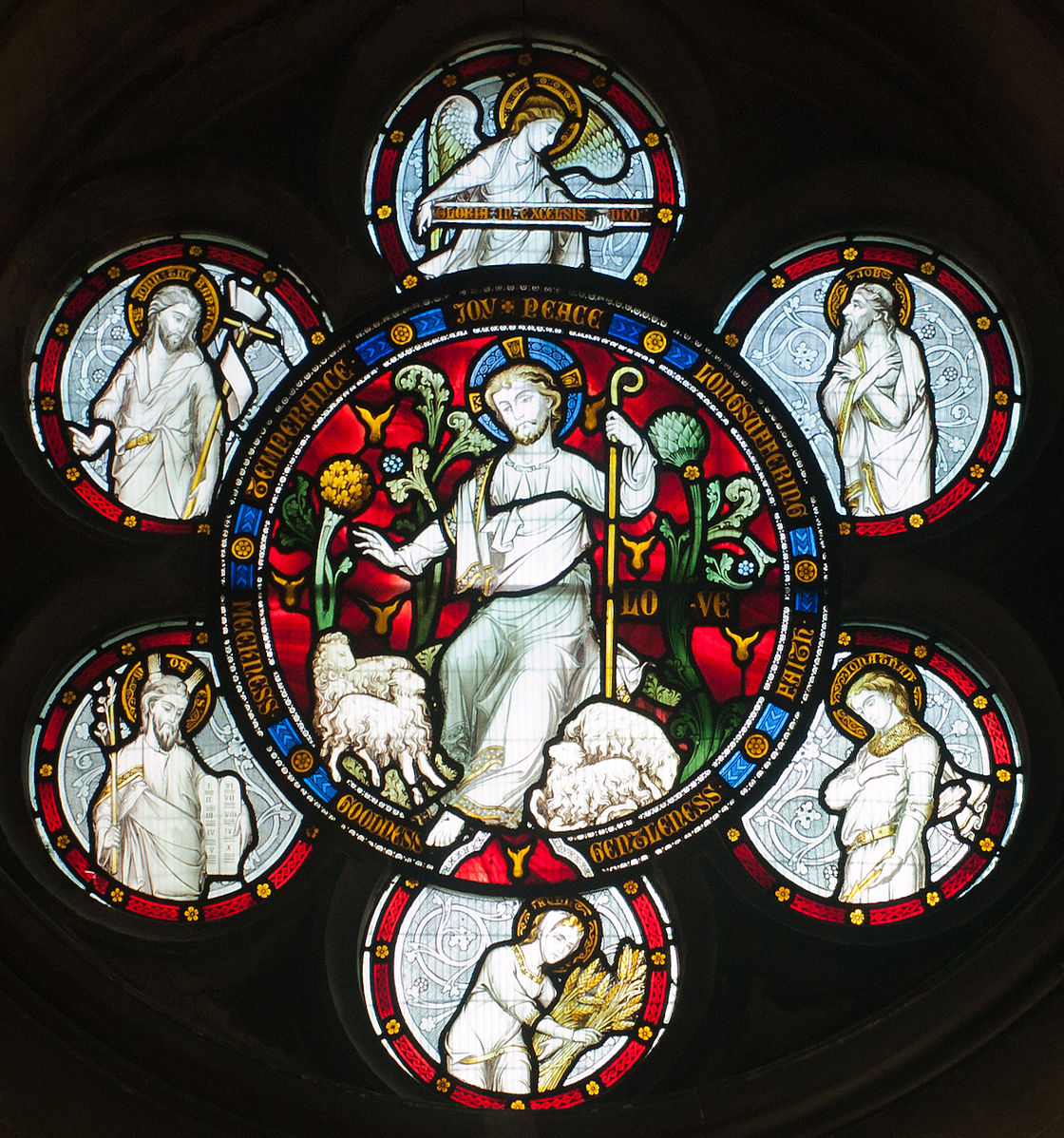 Gentleness: A gentle person is sensitive towards others, instead of being pushy or riding roughshod over their feelings. Consideration for the wellbeing of the other person is key.
Just as water softly flowing over a rock can wear a new path for a river, gentle teachers are more likely to leave an indelible mark on their students, forging new paths for them over time.
Self-control: Fr Van Sloun elucidates, “Self-control is self-mastery regardless of the circumstances, to be in control of one’s self rather than to be controlled by temptations, events or other people, especially when under pressure or in times of crisis.”
In this age of digital distractions, teachers need self-control more than ever to carry out their responsibilities, particularly those which are tedious. They also need it while disciplining students who may pose a challenge, with the tendency of youth to act out at times.
The fruit of the Holy Spirit grows in those who maintain a healthy prayer life and are sustained by a life-giving Christian community. May our schools form beautiful microcosms of the Body of Christ, as it is from being connected to Jesus our true Vine that we can mature into fruitful Christians who can successfully share the Good News of the Gospel with others, through the conduct of our lives.


 Teachers, as guardians of the developing minds, hearts and souls of the young, may pray for the gift of Wisdom to guide them in this crucial role, helping them to teach to the best of their ability and be a Christlike example to their students.
 Teachers may pray for the gift of Counsel, that they may be able to discern wisely and promptly while carrying out their duties, administering discipline justly and providing what their students truly require of them.
 Teachers may pray for the spiritual eyes to encounter God in daily life, recognising His amazing presence, which establishes an unshakeable sense of serenity throughout the travails of this earthly pilgrimage.
 The term alma mater is liturgically linked to Mother Mary, in particular with the antiphon Alma Redemptoris Mater, translated as “Sweet/Loving Mother of the Redeemer”.
 As Protestantism gradually shed such
  Thus, our schools are truly nourishing mothers to us, being the extension of our parents’ desire to fulfil their duty of raising us. Healthy school communities can function as extended families, providing loving communities where students can learn from staff and each other to practise living virtuously.

 Moreover, the Church has “the duty to educate” because of her “responsibility of announcing the way of salvation to all men, of communicating the life of Christ to those who believe, and… of assisting men to be able to come to the fullness of this life.” We see that the primary goal of Catholic education is to enable students to know, love and serve God in this life, and be forever blessed with Him in the next.


 At the same time, “parents have a particularly important part to play in the educating community, since it is to them that primary and natural responsibility for their children’s education belongs.” Teachers are to collaborate with parents in the education of the young, creating a “personalised approach which is needed for an educational project to be efficacious.”
 Instead of mere cogs in the economic machine, students are seen as young ladies and gentlemen to be formed in virtue, so that they may be instruments of love within their families and communities, wherever they may go in life.