Science, Mission and Sainthood by Michelle Tan
October 1 is the feast day of St Thérèse of Lisieux. October 7 is the feast of Our Lady of
What do these special days that the Church has gifted us in every liturgical year actually
mean for us, as Catholic educators ‘on the ground’?
The ‘science of love’
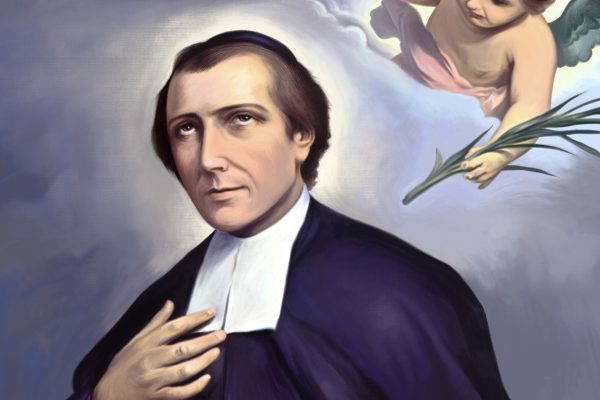
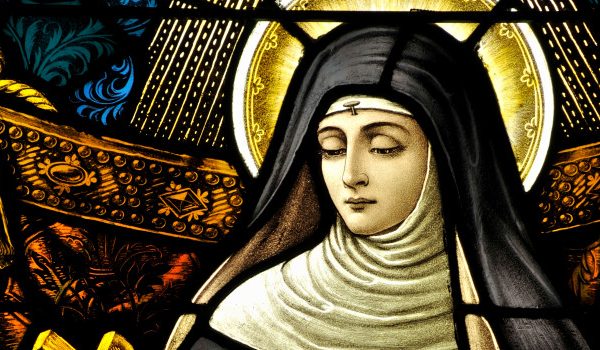
St Therese of Lisieux is affectionately known as ‘the Little Flower of Jesus’ because, in her
autobiography The Story of a Soul, she described herself as a ‘little flower’ in God’s
garden of Creation, blooming wherever He planted her. Her spirituality was one of humility,
simplicity, and complete abandonment to God’s merciful love, much like a small,
unassuming flower that still brings beauty and glory to its Creator despite its smallness.
The little flower does not seek to be a more magnificent, showy bloom like a rose or lily.
The metaphor of ‘little flower’ beautifully captures her spiritual teaching, often called ‘the
Little Way’ which emphasises finding holiness not in grand, heroic deeds, but in
performing small, ordinary actions with immense love and trust in God.
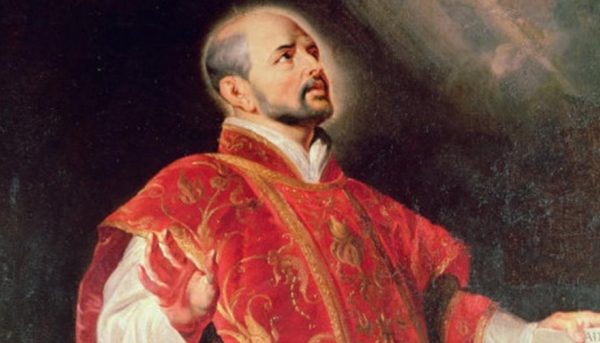
Pope Pius XI declared St Francis Xavier and St Therese as co-patrons of missions and
missionaries in 1927. This might seem surprising given that, in contrast with St Francis
Xavier, St Therese spent her entire adult life cloistered within a Carmelite monastery,
never setting foot in a single foreign land. However, her patronage highlights a profound
truth about the nature of mission.
She is considered a co-patroness of missionaries for several key reasons:
- Spiritual childhood and desire for holiness:
Recognizing her own spiritual weakness and inability to achieve holiness through her own
efforts, she surrendered herself completely to God’s grace, like a little child depending
completely on its parents, trusting that God would perfect her despite her imperfections.
Despite her ‘littleness’, St Therese had a desire to be a great saint. As she famously said,
“My whole life could be summed up in this little incident. Later . . . I cried out, ‘My God,
I choose all! I don’t want to be a saint by halves!’” How would she accomplish this?
Through her ‘Little Way’. - The ‘Little Way’ of doing small things with great love:
St Therese realised that not everyone was called to dramatic missionary journeys or other
extraordinary acts of service. Instead, she focused on performing every small, daily duty –
whether it was folding laundry, enduring an a particularly annoying fellow nun, or offering
a kind word of comfort to another sister – with the greatest possible love for God. She
taught that, by consciously offering every thought, word, and deed to God, even the most
ordinary moments of everyday life were transformed into opportunities for grace. - Her desire for souls:
St Therese had a great spiritual longing for the salvation of souls; she believed that God’s
love is so great that He desires to save even the weakest souls. As it was impossible for
her to be a missionary herself, she dedicated all her prayers, sufferings, and sacrifices
specifically for missionaries, believing that her hidden life of prayer and intercession in
the convent was essential to their successful evangelisation in the field. In this way, she
demonstrated that missionary zeal is not solely about proclaiming the Gospel in foreign
lands, but primarily about a profound love for God and souls, expressed through prayer,
sacrifice, and a deep commitment to the Church’s mission to bring all to God.
In 1997, Pope St John Paul II declared St Therese a Doctor of the Church, a title given by
the Catholic Church to specific saints whose writings, research, and teachings have made a
profound and lasting contribution to Christian theology and doctrine.
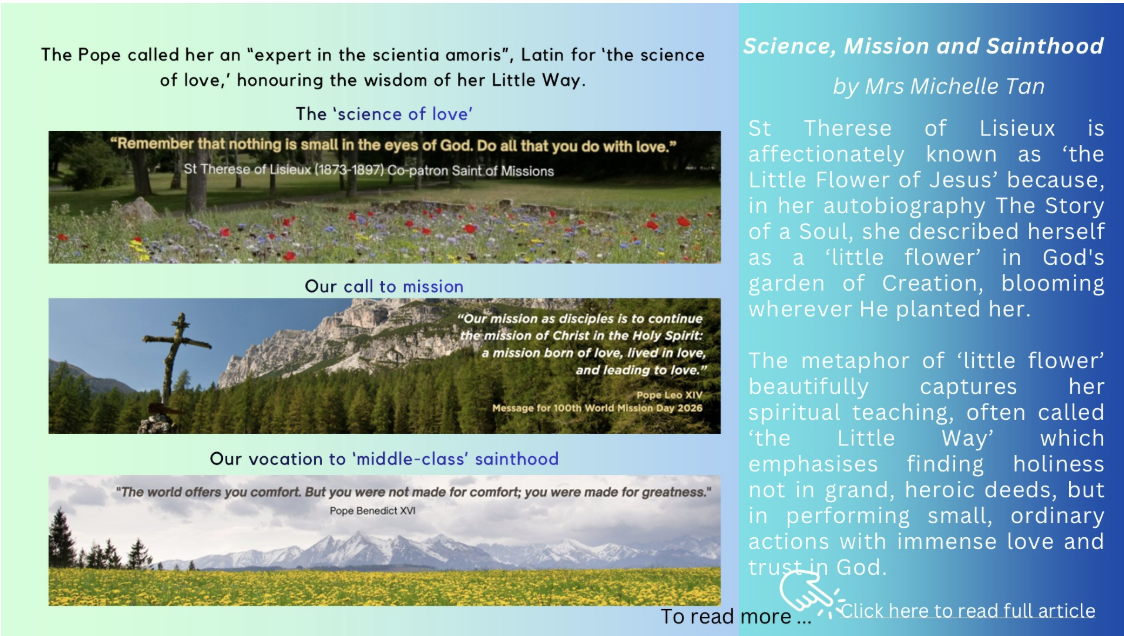
The Pope called her an “expert in the scientia amoris”, Latin for ‘the science of love,’
honouring the wisdom of her Little Way. As we have seen above, this Way sees love as the
very heart of the Church, encompassing all vocations: if we have a genuine desire to love
God and our neighbour as God loved them, this desire is in itself already pleasing to God,
and so He will accomplish in us what we cannot do on our own. This makes holiness
accessible to everyone, no matter what their ability, status or vocation in life, as long as
we do what little we can with great love.
Our call to mission
The Little Way also shows us that, no matter what our station in life may be, we can aspire
not only to be saints, but also missionaries like St Therese.
“The pilgrim Church is missionary by her very nature.”
(Second Vatican Council, Ad Gentes, 1965).
“In virtue of their baptism, all the members of the People of God have become missionary
disciples.”
(Pope Francis, Evangelii Gaudium, 2013)
The Church carries out this mission not by proselytising but by evangelising, the
difference between the two lying mainly in the motivation and method of each. “The
Church exists in order to evangelise” (Pope Paul VI, Evangelii Nuntiandi, 1975, 14) but
always in a way that respects human dignity and religious freedom.
“This freedom means that all men are to be immune from coercion on the part of
individuals or of social groups and of any human power, in such wise that no one is to be
forced to act in a manner contrary to his own beliefs, whether privately or publicly,
whether alone or in association with others, within due limits.”
(Second Vatican Council, Dignitatis Humanae, 1965)
Catholics are therefore called to witness to Christ, not through any form of pressure or
manipulation in order to convert others by force, but from a genuine desire to share Good
News through joyful but gentle invitation in the hope that more lives might be transformed,
as ours were, by God’s love.
In other words, our motivation and method for, and the content of, evangelising is love,
not just for God, for the other’s good, and the common good of all.
The important thing is to share our own unique personal experiences and convictions from
the heart and then let God take over and do his part. If we are attentive to his promptings,
the Holy Spirit will teach us what to say and to whom in a particular situation.
But it’s not just about us doing all the talking. Mission in everyday life also involves being
just present to others, listening to their stories, and engaging in respectful dialogue so
that we build relationships and share faith authentically, rather than impose it.
Indeed, as Pope Benedict XVI taught, “A Christian knows when it is time to speak of God
and when it is better to say nothing and to let love alone speak!”
(Deus Caritas Est, 2005).
Our vocation to ‘middle-class’ sainthood
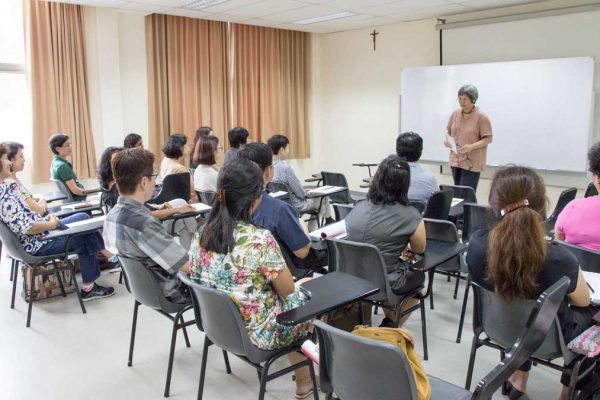
How can stretched and tired Catholic educators fulfil their calling to be missionaries,
attracting others to God?
Perhaps Children’s Day on October 2 could remind us all to be child-like in faith and
filled with missionary zeal for the salvation of souls, like St Therese. Following her Little
Way, we could offer up even the minutiae of the daily joys and toils of school life for the
good of our students, their parents, our colleagues and school staff (and of course
ourselves and our loved ones), and pray for the salvation of their souls.
Perhaps, through this Way, our everyday duty to be both an educator and a missionary
may gradually become less of an obligation and burden, and more of a joyful task, such
that our actions and attitudes become automatically infused with charity and compassion,
and our joy and love become more infectious and attractive.
Then, on Mission Sunday on October 18 we could dedicate all the ‘littleness’ of our
missionary efforts to those ‘great’ and ‘professional’ missionaries – past, present and
future – who gave up everything, even their lives, to spread the seeds of the Gospel.
(Where would the Church in Singapore, be without them?)
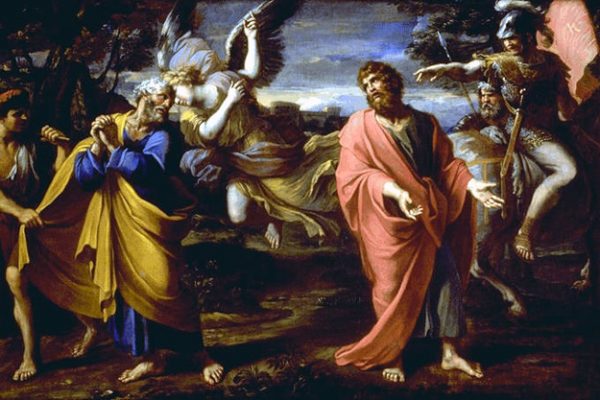
We could, like St Paul in the Second Reading of the Day specially “mention you in our
prayers and thank God for you all, and constantly remember before God our Father how
you have shown your faith in action, worked for love and persevered through hope, in our
Lord Jesus Christ” (1 Thessalonians 1:2-3).
And, on October 31, the eve of All Saints Day, we could spend some time contemplating
the words of Pope Francis:
“We need not think only of saints as those already beatified and canonised. The Holy
Spirit bestows holiness in abundance among God’s holy and faithful people… I like to
contemplate the holiness present in the patience of God’s people: in those parents who
raise their children with immense love, in those men and women who work hard to support
their families, in the sick, in elderly religious who never lose their smile… Very often it is
a holiness found in our next-door neighbours, those who, living in our midst, reflect God’s
presence. We might call them ‘the middle class’ of holiness.”
(Pope Francis, Gaudete et Exultate, 2018)
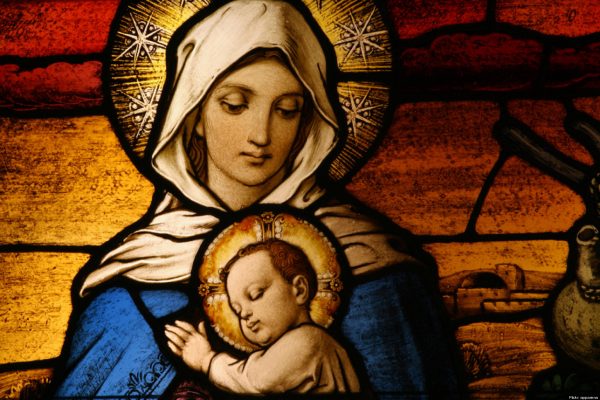
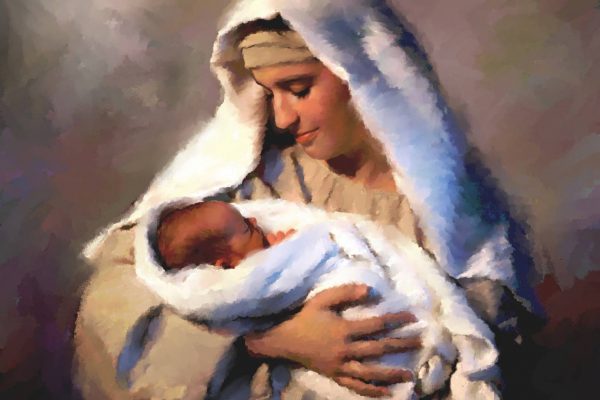
And throughout the month of October, let us remember to honour the Blessed Virgin Mary,
Our Lady of the Rosary, whose feast we celebrate on October 7. She was the first and
greatest proponent of the Little Way, long before St Therese discovered it, and the Queen
of all saints.
As our Mother and intercessor, she will show us, and protect us as we tread, the way from
‘middle-class’ to ‘high-class’ holiness!