Teach Me Your Ways, O Lord by Sylvia Chua
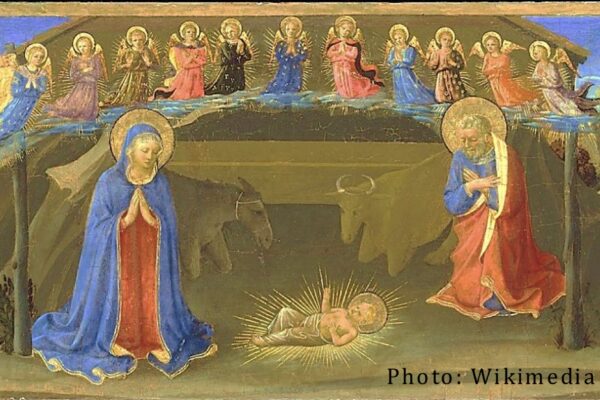
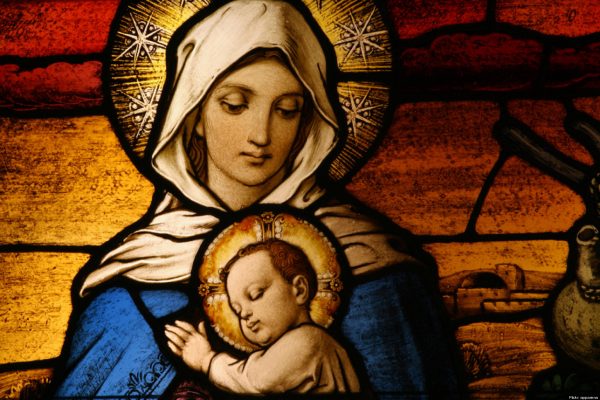
Mary responded, “I am the Lord’s servant. May everything you have said about me come true.”
(Luke 1:38)
Fiat is a Latin word which means “let it be done”. When the Angel announced that Mary had been chosen to bear the Son of God, there was a moment of hesitancy when she asked how it was possible. However, when the Angel told her the Holy Spirit would come over her and she would be a mother, she trusted wholeheartedly and joyfully accepted her call. In her Magnificat, Mary praised God for His mercy and love. She trusted in the providence and protection of God.
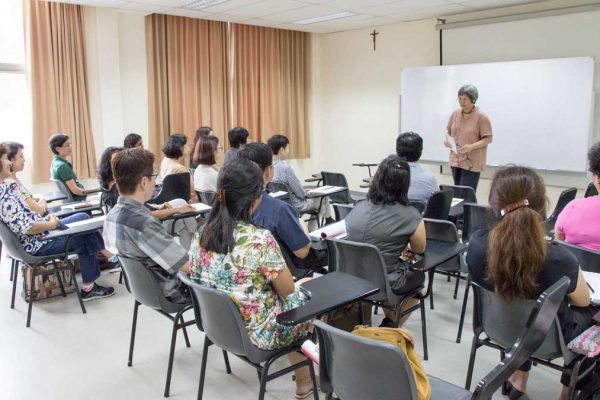
We certainly are nowhere near the holiness of Mary, yet we are called every day in our vocations as teachers.
We may think that our timetables and the classes we will teach this year have been planned by our HODs and school leaders. Do we trust that God had a hand in it—that we are where we are by the grace of God and not by chance? God knows us inside out. He knows our desires, our strengths and our weaknesses. He calls us to embrace the classes and responsibilities we have been given: the ones with the smartest children and the unmotivated children, the ones with the cooperative parents and the demanding parents. He calls us to seek the Jesus in each child and parent in our class.
At the beginning of the year, we may accept this challenge and truly seek to love our charges and fulfil our responsibilities with joy, but being human, we will find ourselves tiring and losing steam after some time. How can Mary’s fiat inspire us to respond to God’s call?
Mary praised God. We should too. We should make time for God in our daily routines—perhaps simply by making it a habit to praise and thank God when we wake up in the morning, or making a conscious effort to say grace before meals or a snack. In doing so, we acknowledge God’s presence in every moment of our day. We could also make some lifestyle changes to attend a couple of weekday Masses, which, as we know, is the highest form of praise and worship.
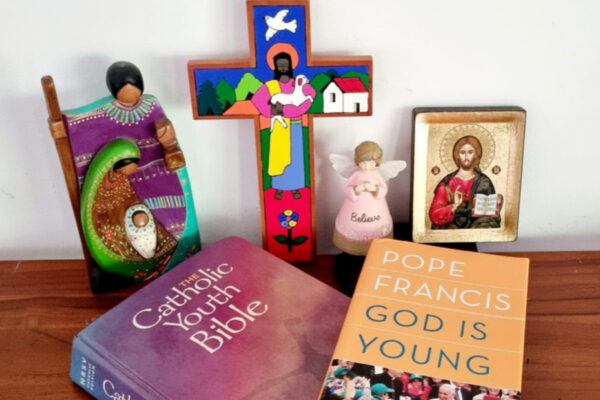
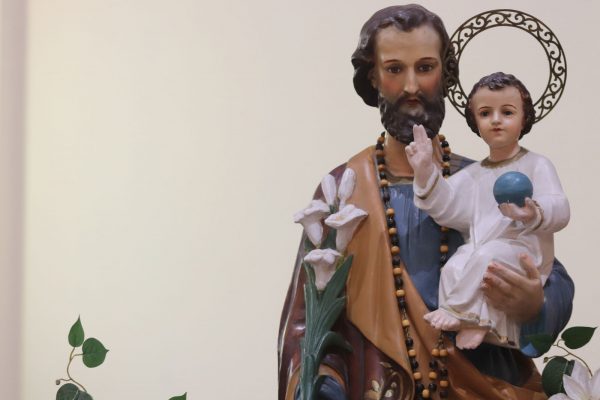
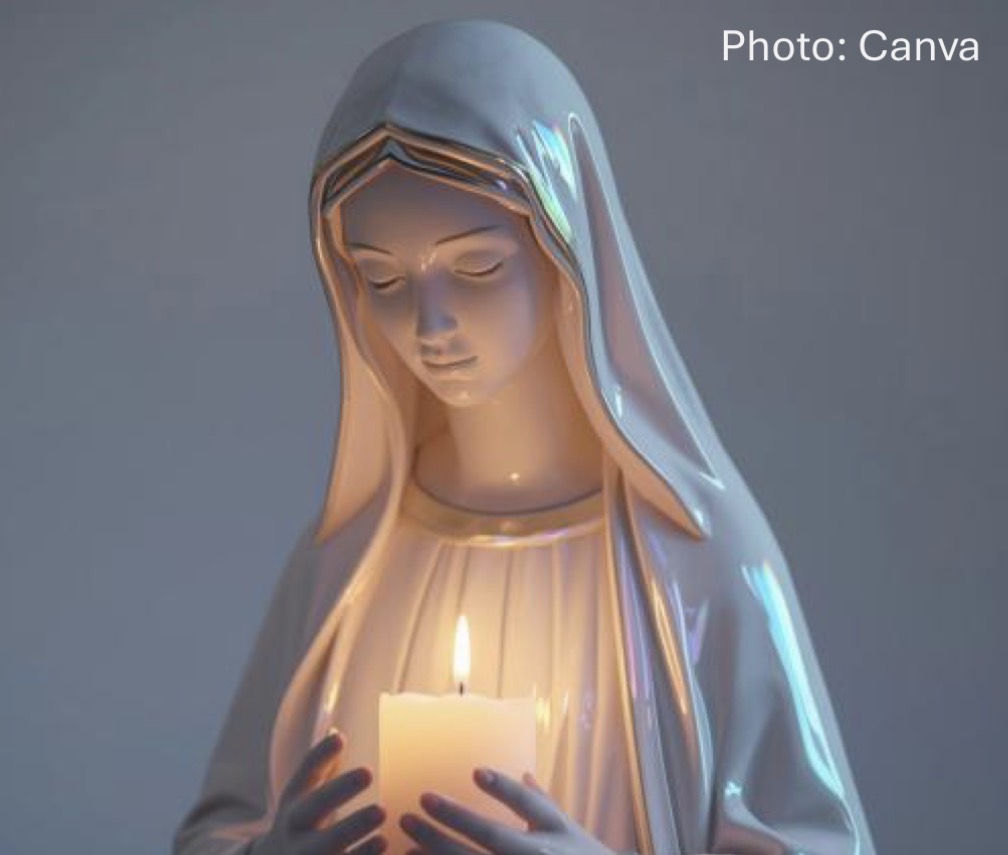
Mary pondered on God’s goodness; she did not overreact when she encountered moments of difficulty or challenges. We could remind ourselves of God’s mercy and love by placing a crucifix, a small statue, or a holy picture at our tables. When we come back from a challenging class, we have a physical reminder of God’s love for us. If we have had a fun and fulfilling lesson, we thank God for the experience. If a crucifix or symbol is not appropriate in secular schools, we can slip the Bible among our resources. The Word of God is a powerful tool and can speak to us in moments of need.
Mary was filled with joy. We should seek this heavenly joy, not just earthly happiness. Happiness may be a pile of marked assignments, a list of passes after a test, or a day when every child hands in his or her homework. Joy comes from God; joy is not something we can attain on our own. Joy is recognising that God is working in us and fulfilling the plans that He has for us.
God tells us in Jeremiah 29:11, “I know the plans I have for you …”
In moments of difficulty and despair, we can become disconnected from God, not because He has left us, but because we are filled with anger or anxiety. We need to remain alert to God’s work in our lives.
So, at the beginning of this school year, do we let go and let God? Can we be servants and allow what God has planned to be fulfilled in our lives?
May you be inspired by Mary’s fiat and move courageously and joyfully through this school year.