On your marks, get set…. GO! Go, to bear fruit for the Kingdom by Michelle Tan
“You did not choose me but I chose you. And I appointed you to go and bear fruit, fruit that will last.”
(John 15:16)
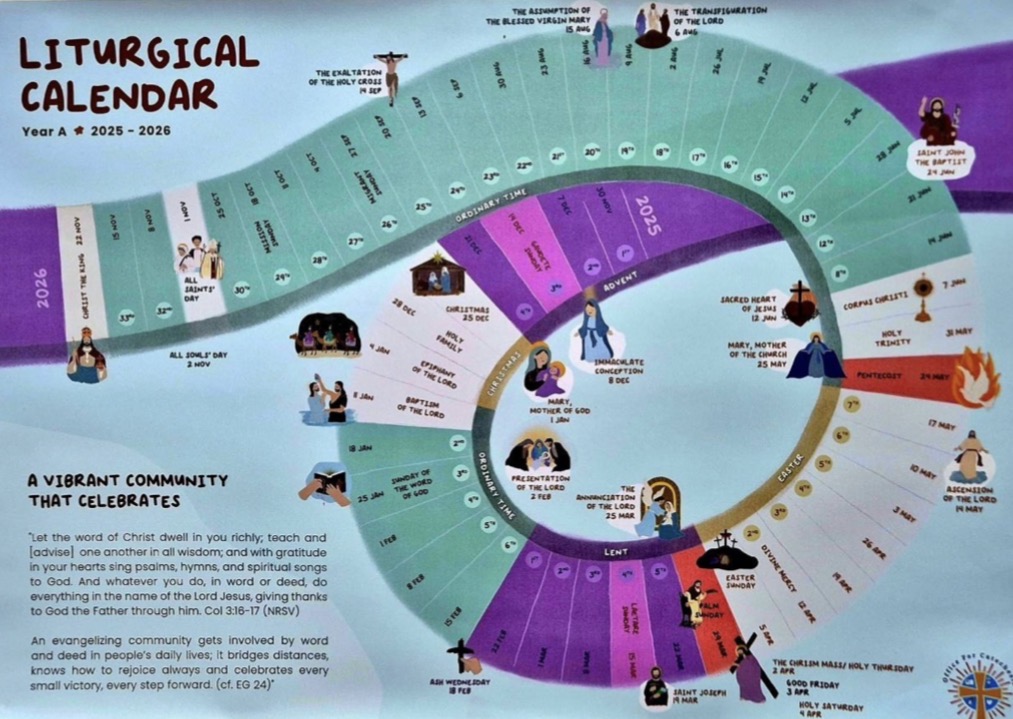
After the great Paschal Pause of Lent and Eastertide, we find ourselves in the season of Ordinary Time once again.
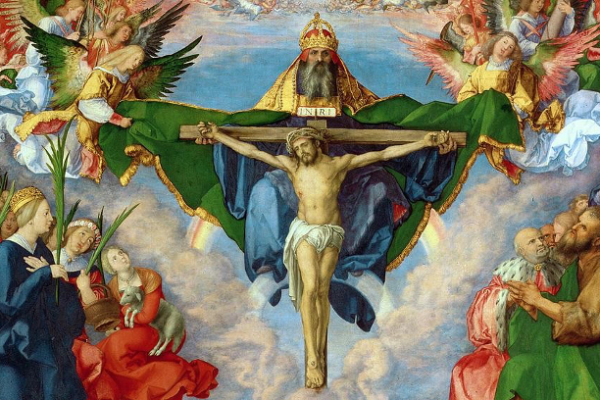
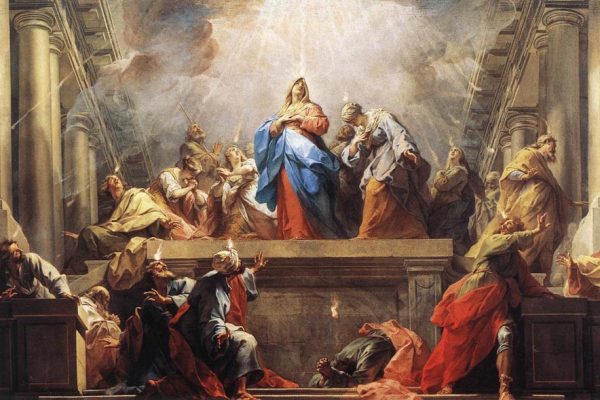
With the full revelation of the Holy Trinity and the outpouring of the Holy Spirit at Pentecost upon the whole Church, the People of God are now empowered to go proclaim the Gospel of Christ and bear fruit for the Kingdom of God.
Ordinary Time, Extraordinary Witness
A missionary priest once told me, “The ‘Ordinary’ in Ordinary Time does not mean mediocre, routine or unimportant, but it means mission time, a time of bearing extraordinary witness to the goodness of God.”
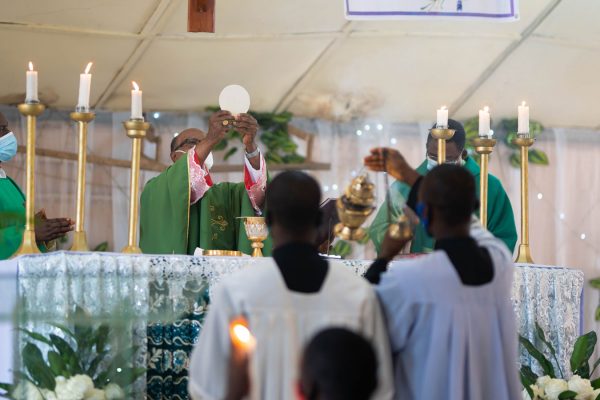
Indeed, ‘Ordinary’ Time is so-called because it derives from the Latin ordinalis (ordered) wherein the weeks of this liturgical season are numbered. The numbering represents the slow but sure and steady growth of the Church under the guidance of the Holy Spirit, represented by the green liturgical vestments worn, the colour representing new life.
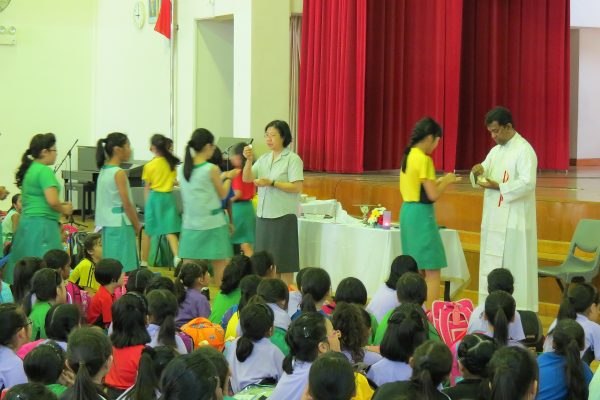
The engine of growth is fuelled by the spiritual food given to us in the Holy Eucharist, which is why we begin this period of Ordinary Time with the Solemnity of the Most Holy Body and Blood of Christ and end it with the Solemnity of Christ the King, the Alpha and Omega of Ordinary Time, as it were.
All who are baptised in the Church are called to be such extraordinary witnesses, sowers of the seeds of the Gospel. Through baptism, each person receives an anointing in which he or she becomes part of the Body of Christ.
- Priests — continuously offering sacrifice of praise, prayer, thanksgiving, and self-surrender.
- Prophets — proclaiming the Good News through words and witness of life.
- Kings — building bridges of trust and relationship as ambassadors of the Kingdom of God.
The Kerygma, the Message of Eternal Life
How do we discharge our duties as prophets, priests and kings?
As Pope St Paul VI teaches in Evangelii Nuntiandi, the Gospel must first be proclaimed through witness — a wordless testimony that inspires questions and points others toward Christ.
The content of that witness is the Kerygma, the core proclamation of the Christian faith:
- God loves you personally and unconditionally.
Every human person is created by God in love and for love. - Sin broke our relationship with God.
Sin separates us from the source of life and meaning. - Jesus Christ is our Lord and Saviour.
God sent His Son to restore our relationship with the Father. - Jesus died for our sins and rose from the dead.
His death redeemed humanity and His resurrection conquered death. - Repentance, faith, and baptism are the response.
We are called to turn away from sin and trust in Christ. - The Holy Spirit is given to dwell within us.
Through baptism we are empowered to follow Christ and lead others to Him.
Catholic Education and the Kerygma
“Education and catechesis are at the service of this growth.”
Pope Francis, in Evangelii Gaudium, emphasised that the Kerygma must remain at the centre of all evangelising activity and Church renewal.
“Jesus Christ loves you; he gave his life to save you; and now he is living at your side every day to enlighten, strengthen and free you.”
This proclamation remains the foundation of catechesis at every level and stage of faith formation.
How can Catholic educators proclaim the Kerygma?
- Believe it personally. We cannot give what we do not have.
- Be authentic. Witness according to your character, personality, gifts and talents.
- Meet people where they are. Approach others with joy, patience, openness, dialogue, warmth and welcome.
Courage and the Kerygma
Church teachings do not require us to be theologians, canon lawyers or philosophers, but dedicated men and women of simple faith.
June 24 celebrates the Nativity of St John the Baptist, one of only three individuals whose birth and death are both celebrated as feast days.
“Before I formed you in the womb I knew you, and before you were born, I consecrated you; I appointed you a prophet to the nations.”
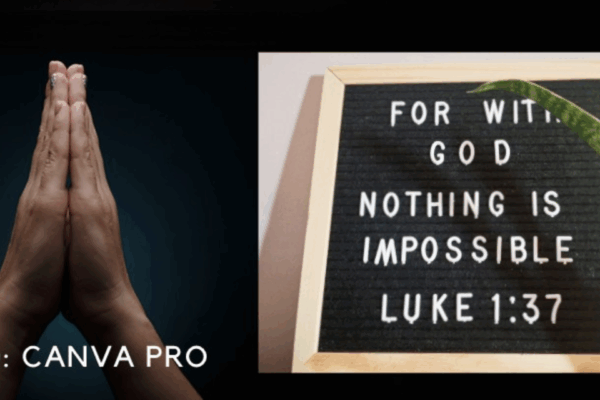
God assures us that whatever reason holds us back, He is with us and equips us for the mission He entrusts to us.
May we remember with gratitude those who first proclaimed the Kerygma to us, and may we find the courage to build and plant the Kerygma in the hearts of those whom God sends us to serve.
“The harvest is plentiful, but the labourers are few.” (Matthew 9:37)