Nurturing an Awareness of God’s Existence by Bro Kenneth Tham
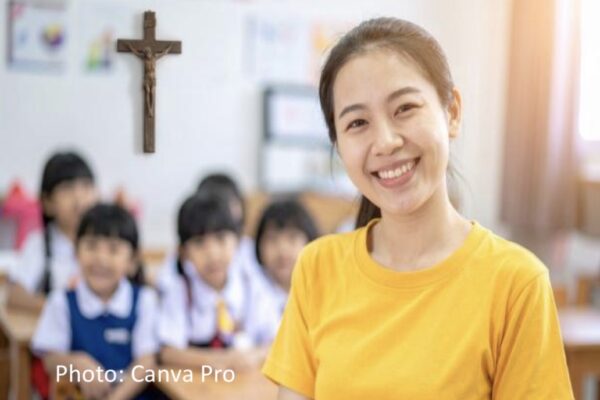
A hallmark of Catholic education is the cultivation of a Catholic worldview, where faith is woven into academic subjects to help students discover their identity and recognise God’s presence and action in their lives. God has placed in every human heart a desire for Himself (CCC 27), yet many factors lead people to hide from God, as Adam did in the Garden of Eden (Gen 3:10). Ignorance, evil, attachment to worldly things, and the influence of bad example can cause us to overlook or reject God (CCC 29–30). As Catholic educators, we hold the privileged responsibility of nurturing our students’ awareness of God’s existence, presence, and action in their lives.
God reveals Himself through creation. We experience reality and learn through our senses, and through the faculty of reason given to every person, we can come to know God. St Paul reminds us that “since the creation of the world, God’s invisible qualities—his eternal power and divine nature—have been clearly seen, being understood from what has been made” (Rom 1:20). This is our starting point in Catholic schools: to help students recognise God’s existence through what they learn.
Subject content is a vehicle for communicating this truth. The Catholic educator serves as a bridge between study and insight, helping students see the fingerprints of God in what they are learning. A science educator helps students perceive in nature’s intricate coordination and purposeful complexity a testimony to divine intelligence.
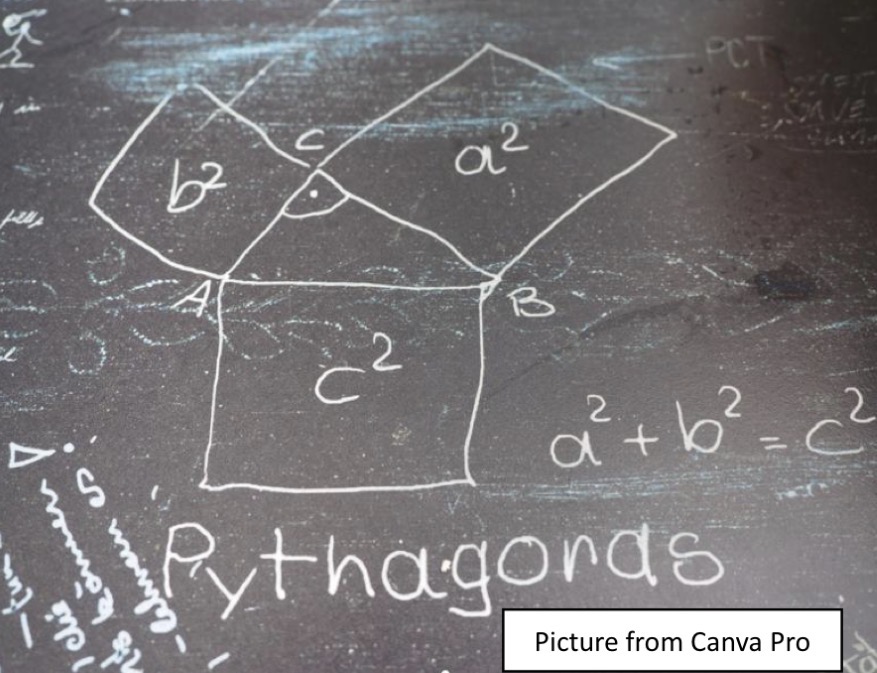
An arts educator helps students understand that when we are moved by beauty, we glimpse something of God Himself. St Augustine recognised that beauty in the world reflects God’s own beauty. Whether encountered in art, music, literature, nature, or language, beauty reveals God’s order, harmony, and goodness. Mathematics can be viewed from a similar lens, where there is beauty and order in numbers, geometry, sequences or mathematical proofs.
In the humanities, we may teach historical facts or data, geographical phenomena, patterns of human development, or economic trends influenced by human behavioural patterns. However, a Catholic humanities educator has the responsibility and privilege of challenging students to see God’s hand moving in human history and development.
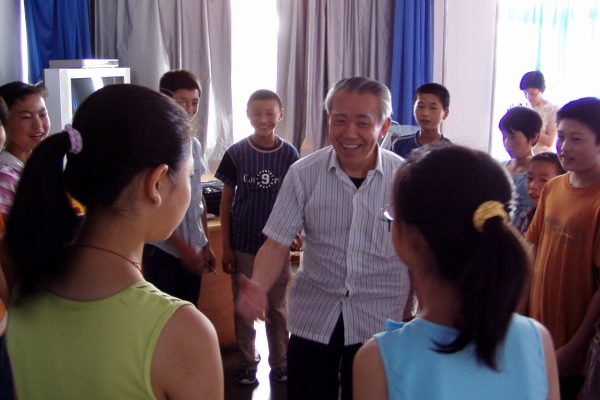
I once spoke with a student who was studying a case on the persecution of groups denied religious freedom. I saw an opportunity to invite her beyond the source-based questions that followed—to consider how this case study connected to her own life. I asked her to reflect on what religion meant to her personally, on the freedom she had to practise her faith, and on how God had blessed her with this freedom.
Answering techniques and exam skills matter, but to truly fulfil our mission as a Catholic school, we are called to guide students in seeing beyond exams and objective facts. Our role is to help them examine how what they study applies to their own lives, how it shapes their understanding of the world, and how it deepens their faith and knowledge of who God is.
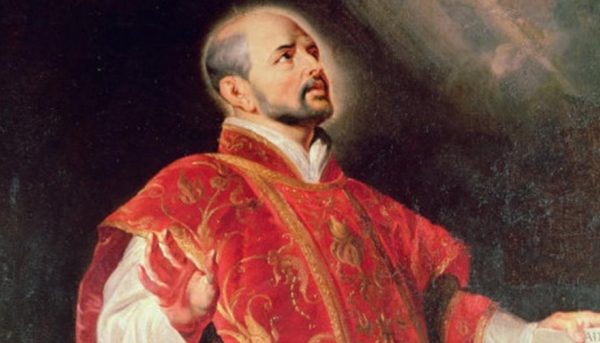
A good Catholic education therefore enables students to live out their deepest calling: to seek truth and so fulfil the desire God has placed in every human heart. St Ignatius of Loyola in his spiritual exercises (S.E. 23) reminds us that we are created to praise, reverence, and serve God, and that all things exist to help us achieve this purpose. The subjects we teach are means of leading students to an awareness of God. In discovering who God is—expressed through the beauty of creation—they may come to know themselves and their purpose in life. They begin to realise that lasting happiness is found only when they are true to themselves and to that innermost desire God has planted within them: to reverence, praise, and serve Him.
This is our calling as Catholic educators: to guide students in discovering the existence, presence, and constant action of God in their lives. Yet we cannot give what we do not have. We too must first recognise God’s hand in what we teach, something that can only be cultivated through a strong prayer life and a living relationship with the Lord. Our love for our students, and above all our love for God, should move us to deepen our own faith and to grow in understanding of how we can better help those in our care to discover God and their purpose in life. We do not merely teach subjects. We educate students so that they may grow in their Catholic worldview.