The Song and the Cry of Creation by Benjamin Gan
Story of a name
Marty Haugen’s Canticle of the Sun is one of my favourite hymns.
The last line of the chorus goes,
And sing, sing to the glory of the Lord!
I had sung those words many times. Yet it was only recently, while re-reading
Pope Francis’s encyclical in full, that I properly made the connection: this
was where the encyclical’s title Laudato Si’ came from.
Laudato si’, mi’ Signore = Praise be to you, my Lord.
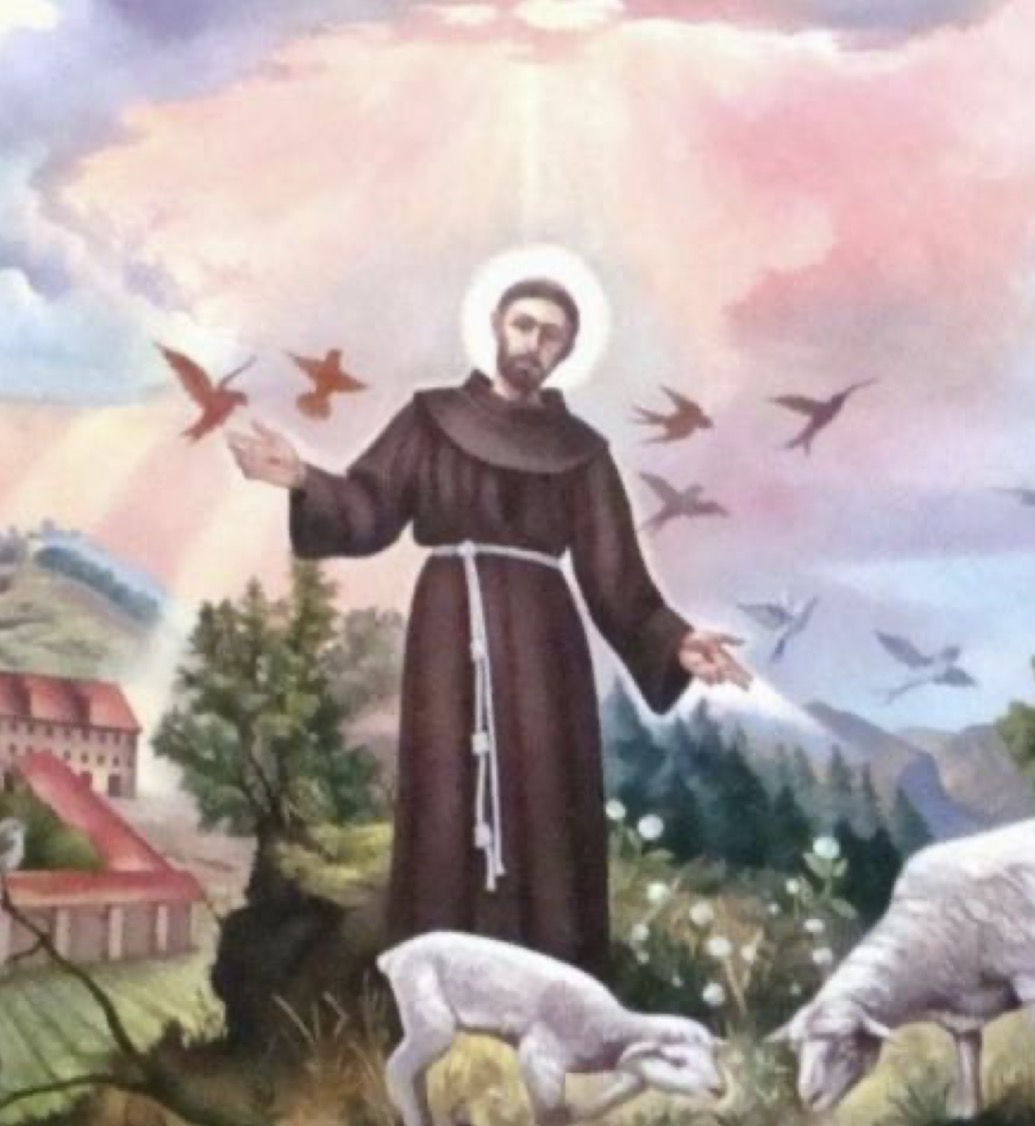
It comes from Saint Francis of Assisi’s Canticle of the Creatures,
written in the Umbrian language. Pope Francis titles his encyclical about our
environmental crisis with a line of praise – how interesting! It stands in
stark contrast to the doom and gloom about climate change we see on the news
every day. And the idea of viewing the earth and our environment as God’s
creation – I think it really brings out this idea of our common home, received
as a gift, to be shared with others, and entrusted to our care.
Personal reflections on Laudato Si
Although Laudato Si was published more than ten years ago, I continue
to be inspired by the ideas in this encyclical. It resonates very much with me,
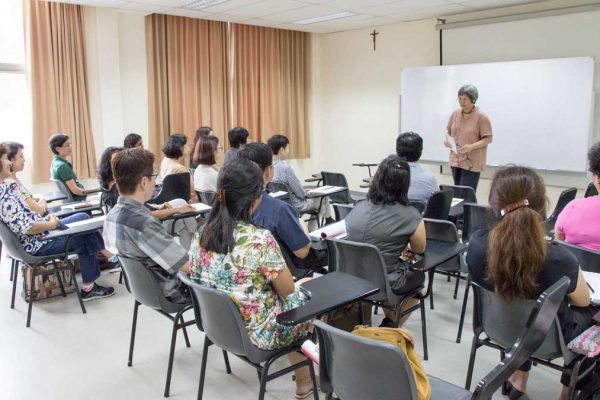
personally. I am currently finishing a Master’s in Special and Inclusive
Education, and one of the things I value most has been having the time to read
more deeply and to ask why I care about the things that I do.
For much of my career, I thought of my interests as separate. My background in
Geography and my time working on climate policy in the wider civil service drew
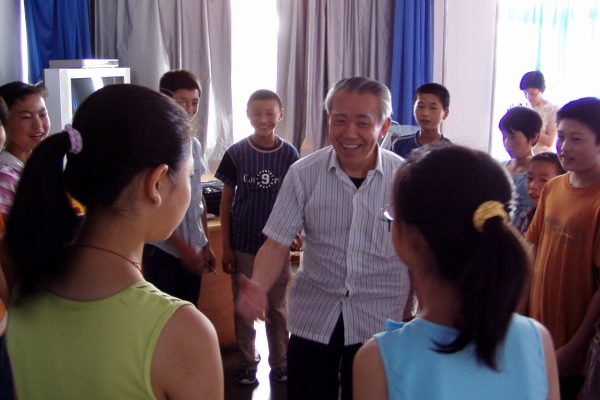
me towards climate change and care for the environment. My work as an educator
drew me towards children with special educational needs, disadvantaged
backgrounds and others that we could consider to be at the margins. I cared
deeply about both, but I couldn’t honestly say that I saw them as part of the
same mission.
Reading Laudato Si’ helped me recognise a connection. In chapter 1,
Pope Francis writes not only about climate change and biodiversity loss, but
also about global inequality, the decline in quality human life and the
breakdown of society (paras 43-52). He calls on us to hear both the cry of the
earth and the cry of the poor as one common cry.
The veil of ignorance
During one of my master’s modules, I encountered the American philosopher John
Rawls’ thought experiment, the veil of ignorance. Rawls asks us to imagine
designing society without knowing the position we ourselves will occupy. We
would not know our race, abilities, family circumstances or whether we might
require significant support.
What kind of society would we want for ourselves, and our children, if we did
not know whether we would be born to positions of advantage or disadvantage?
What forms of support would we protect if we did not know whether we would be
independent or dependent on others?
Rawls reminds us that the circumstances into which we are born are largely
unchosen. We did not select our abilities or starting positions. They should
not determine whether we can belong and flourish.
Applying the Catholic Social Teachings
While Rawls’ thought experiment is useful in thinking about why inclusion is
philosophically important, I think it is theologically insufficient. We do not
care for those at the margins merely because we could have, or might one day,
share their circumstances. We care because they possess equal dignity.
In Laudato Si’, Pope Francis writes that “the rich and the poor have
equal dignity, for the ‘Lord is the maker of them all’” (Prov 22:2, cited in
para 94). The late pope also describes the earth as a shared inheritance,
“whose fruits are meant to benefit everyone” (para 93). In other words, the
common good requires social conditions that enable every person and community
to flourish, with particular concern for those most easily left behind. I often
get quite dismayed when I read about viral incidences and the accompanying
comments when they centre around what works for ‘the majority’ or the ‘typical’
Singaporean.
The poor and the earth are crying out
So, this is where inclusion and a concern for the environment can come together.
The cry of the earth and the cry of those at the margins expose the effects of
indifference and a culture of excessive accumulation, which at heart subscribes
to a belief that greater power entitles one to take and hoard while others
absorb the consequences.
The same culture that treats the natural world as a limitless collection of
resources can also cause us to measure people solely by their usefulness and
productivity. It can make us uncomfortable with difference or overlook those
whose needs do not fit our idea of what the good life should look like. I seem
to type this so confidently, but to be very honest, I too find myself resisting
such tendencies both as a parent and as an educator sometimes!
Pope Francis therefore calls for an integral ecology, inseparable from the
common good. To me, this means that our care for creation is also a question
about what it means to be human.
At the end of Laudato Si’, Pope Francis invites us to pray:
“… God of love, show us our place in this world as channels of your love for
all the creatures of this earth, for not one of them is forgotten in your sight of this earth, for not one of them is forgotten in your sight. Enlighten those who possess power and money that they may avoid the sin of indifference, that they may love the common good, advance the weak, and care for this world in which we live…”
Then comes the simple line:
“The poor and the earth are crying out.”
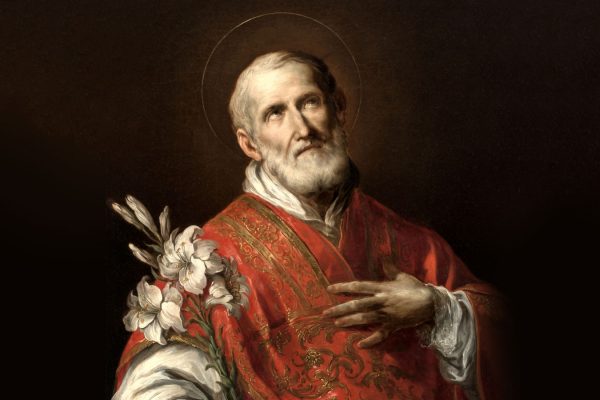
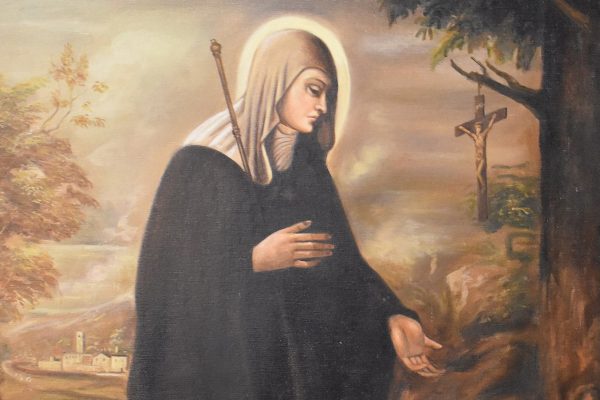
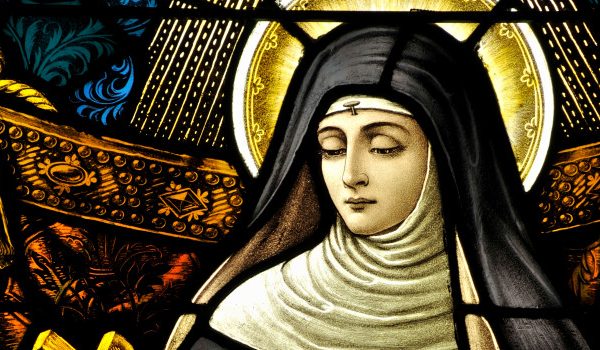
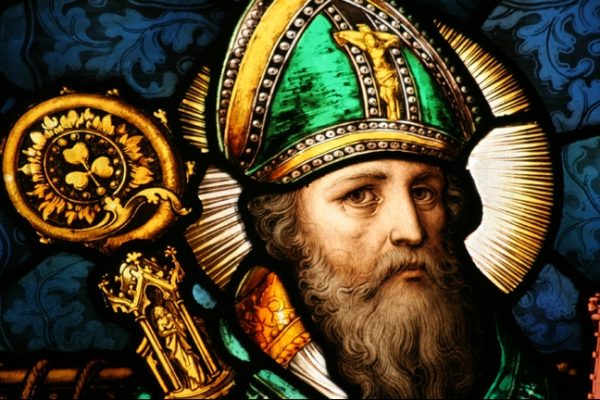
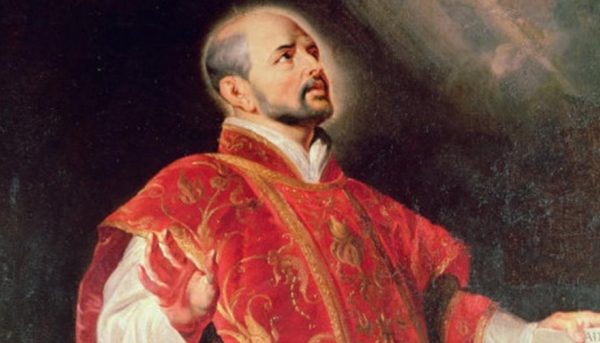
St. Francis of Assisi. Source: ChurchPOP